Shakopee has a way of making homeowners notice the details. One week the ground is soft and workable, the next it is crusty with frost, then it warms up just enough for weeds to look like they came out of nowhere. After a couple seasons of living with that rhythm, it becomes clear that landscaping is not a one-time project. It is a steady management plan that fits the soil, the slope, and the way the Minnesota weather keeps changing its mind.
A good residential landscaping service in Shakopee MN does more than “make things look nice.” It builds curb appeal that holds up, creates outdoor spaces people actually use, and handles the practical problems that show up in yards across the area, from uneven turf to stormwater that dumps into the wrong spot. Below is what homeowners typically need, what we pay attention to, and how lawn care, landscaping design installation, lawn mowing service, landscape edging, and tree service fit together as one working system.
What a landscaping plan should solve in Shakopee
When a homeowner calls about landscaping, the request usually sounds simple: “Can you fix this area?” or “We want it to look more finished.” In practice, landscaping problems rarely live in one place. A bed that looks messy in June might be struggling because the edging is too shallow, the soil is compacted, or water is running off a driveway and undermining plants.
In Shakopee, a lot of yard issues come down to three fundamentals.
First is drainage. Heavy rains can overwhelm a yard that looks fine most of the year. If water pools near the foundation, chips away at mulch beds, or erodes soil along a slope, plants get stressed and turf thins out. Second is soil and turf density. Lawn care Shakopee homeowners often inherit problems from earlier decisions: seed choices, mowing height, shaded areas, or traffic patterns. Third is structure, the “bones” of the yard, like a clean bed line, consistent mulch depth, and trees that provide the right shade without overcrowding everything underneath.
A landscaping design installation should address all three, even if the visible problem looks small. That is the difference between quick cosmetic changes and work that keeps paying off.
Lawn mowing service that actually supports the lawn
A lawn can look okay while still being set up to fail. The easiest way to see it is to watch how the grass responds after a few weeks of mowing. If blades are cut too low, the lawn gets stressed and weeds move in. If mowing is inconsistent, clippings build up and mat down. If the mower height stays the same regardless of spring growth and late summer heat, you end up fighting the lawn instead of working with it.
A reliable lawn mowing service Shakopee residents rely on is not only about mowing on schedule. It is about mowing with the lawn’s seasonal needs in mind, along with the practical details of your yard layout. Hills, tight gates, and landscaping beds all change how mowing should be done.
In real terms, that means attention to:
- The mowing height set for the time of year and turf condition Overlap patterns so you do not strip down edges or miss corners Trimming around hardscape and bed borders so the lawn does not creep into mulch Handling wet conditions appropriately, because mowing saturated soil compacts ground and can damage roots
I have seen too many lawns “look green” right after mowing, then thin out by midseason. The yard may recover, but it costs more time and money than the homeowner expected. Good mowing is part of the health plan, not just the visual finish.
Landscape edging Shakopee MN that keeps beds crisp
A yard can have beautiful plants and still look unfinished if the bed line is soft or the edging has failed. The problem is not only aesthetic. When beds and turf intermingle, it is harder to keep mulch where it belongs and easier for grass to creep into planting areas. Homeowners notice it as a constant maintenance cycle, weeding and re-mulching that feels like it never ends.
Landscape edging Shakopee MN is one of those “small” jobs that changes everything. Edging creates a physical boundary so mowing equipment can glide up to the line, mulch stays put, and weed pressure drops because turf is not constantly invading the bed.
There are several edging styles we use depending on the yard layout and the long-term plan. Some properties benefit from metal edging that holds a straight line. Others do better with a more natural look where stone or timbers blend into the landscape. The right choice depends on how water moves through the yard and how much settling the area experiences over time.
One thing I tell homeowners early: edging is not a one-day install and then “forget it.” Even the best edging needs occasional attention, especially after freeze-thaw cycles and after soil shifts around planting pockets. The goal is to make those adjustments predictable and minimal, not constant.
Landscaping design installation that feels intentional, not trendy
A landscaping design installation should be built around how you live, not just what looks good in a photo. The most common mistake I see is choosing plants because they are attractive in a nursery pot, then discovering later that they do not match the site conditions. In Minnesota yards, those conditions can be unforgiving: bright sun in one spot, deep shade near a building, wind that dries soil faster than expected, and winter exposure that tests hardiness.
A good design starts with observation. We look at where the sun hits, where snow accumulates, how water runs after rain, and which parts of the yard get foot traffic. Then we plan layers.
A layered yard is easier to maintain because each plant type does a job. Turf handles the open, walkable space. Shrubs and perennials bring structure and seasonal color. Groundcovers and mulched beds manage erosion and reduce bare soil. Trees provide shade, vertical interest, and long-term stability.
When design installation is done right, the yard has a clear flow. Beds are shaped so they do not force constant trimming. Plants are spaced so they grow without turning into tangled masses. Hardscape tie-ins, like walkways and patio edges, are treated as part of the landscape, not an afterthought.
A quick story from the field
A couple years back, a homeowner near Shakopee asked for help with the front bed between their driveway and the entry steps. They had a row of plants that looked fine in early summer, then by late July they were overcrowded and leaning into the walkway. The edging was also inconsistent, so grass invaded the bed and the mulch line looked uneven.
We adjusted spacing and restructured the layout so the bed line could be trimmed cleanly without tearing through plants. We also refined the edging so mowing stayed controlled. That year, the bed looked “complete” much earlier, and maintenance was noticeably easier because the plants had room to settle into their intended size.
The best part was that the design did not try to force perfection every week. It was built to grow gracefully and still look tidy.
Tree service in Shakopee, and why it matters for landscaping success
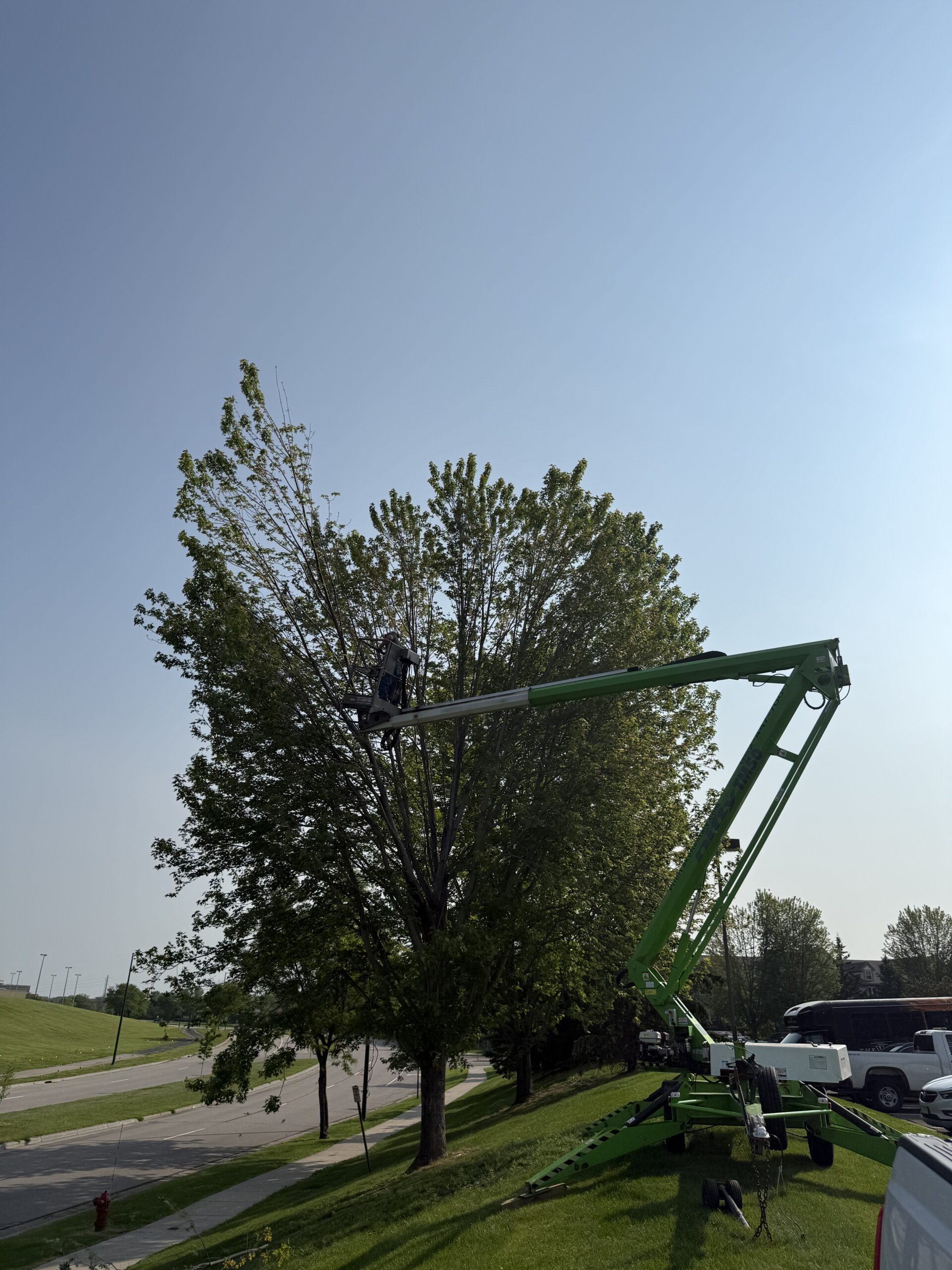
Trees are both the crown and the challenge of residential landscaping. They can make a yard feel mature, frame windows, and reduce heat around the home. But trees also change the entire landscape environment. Dense canopies reduce sunlight, roots compete with turf, and falling branches or overhanging growth can create safety issues.
That is why tree service in Shakopee is often part of a broader landscaping plan, even when the homeowner’s original request was “our yard doesn’t look right.”
A few realities shape the work:
- Overgrown trees can block light and stress the understory, causing weak grass or bare soil where you want a clean lawn edge. Large branches or poorly structured growth can be a hazard during wind or heavy snow. Root systems can interfere with hardscape edges, drainage lines, and the long-term stability of bed borders.
Tree work can also be the enabling step for better turf and planting. When canopy coverage is adjusted appropriately, the rest of the landscape can perform. I have seen yards where the only “landscaping problem” was that shade was unmanaged. Once the light conditions changed, lawn care and bed maintenance became far more manageable.
If you are planning landscaping design installation, it is smart to include tree service early, not after the fact. Doing it in the wrong order can lead to rework, like replanting after branches are removed or moving beds because the shade line changes.
Mulch, soil, and the details homeowners feel but cannot always name
Mulch is one of the most visible parts of a landscape, but it also plays a deeper role. It moderates soil temperature, helps retain moisture, suppresses weeds, and protects the soil surface from erosion. When mulch is done poorly, yards look tired and plants struggle.
Mulch depth matters. Too shallow, and weeds move in. Too deep, and it can create problems near plant crowns. Mulch placement near tree trunks and shrub stems matters too, because piling mulch against stems can encourage rot.
Soil preparation matters just as much. Compact soil around beds can make it harder for plants to establish. Even a great plant selection will underperform if soil conditions are not right. In Minnesota, freeze-thaw cycles can shift soil and expose roots, so a landscape needs a maintenance approach that accounts for seasonal changes.
This is where professional landscaping service earns its keep. Homeowners can absolutely mulch, but they often do not have the time to prep soil thoroughly, correct drainage patterns, and maintain consistent mulch lines over multiple seasons.
How edging and drainage work together
One of the most frustrating yard experiences is watching a bed look clean for a few weeks, then slowly get messy again. Grass creeps in, mulch gets pushed out, and weeds appear in the same narrow line year after year.
That is usually a boundary and water issue working together. If the bed edge sits too low or the grade allows runoff to cut across the border, the mulch line becomes a “stream path.” When water hits the edge repeatedly, it carves channels that keep forming even after you refill mulch.
The fix is often straightforward but needs attention to the yard’s layout. Adjusting the edging height and making sure the surrounding grade directs water away can stop the cycle. Sometimes it means adding a small swale or rethinking where the bed meets the turf. Sometimes it means correcting how the lawn is sloped so runoff does not break into the mulch.
The trade-off homeowners should know: these https://jcjpropertymaintenance.com/ corrections take more time than a quick edging install, but they prevent the recurring mess that costs money and effort every season.
Planning around the seasons in Shakopee
Shakopee seasonal weather is not just “summer, fall, winter.” It is a sequence of temperature shifts that determine when the lawn and plants can handle work. Scheduling matters because rushing tasks can cause stress, and waiting too long can mean plants are already in decline.
A professional plan usually maps tasks to windows where they make sense, including snow season considerations and the timing of growth. Here is the kind of seasonal thinking that changes outcomes.
- In spring, focus on cleanup, dormant debris removal, and getting mulch lines reset before beds fully heat up In late spring and early summer, prioritize lawn maintenance consistency, edging touch-ups, and weeding before plants become established In summer, manage irrigation needs where possible, and keep mowing practices aligned with grass growth so turf remains dense In fall, prepare the yard for winter, including trimming and planning tree service if needed for safety and structure
This is also where landscape edging and lawn mowing service Shakopee homeowners benefit from a consistent partner. When the same team handles multiple rounds of work, they notice patterns, like which edges keep shifting or which spots stay wet. That knowledge is hard to transfer if you hire different contractors season to season.
Choosing the right landscaping service for your home
Not all landscaping companies operate the same way. Some provide quick turnarounds and stop at the visible work. Others build an approach that treats your yard as an ongoing system.
When you talk to a residential landscaping service in Shakopee MN, it helps to ask questions that reveal how they work, not just what they charge. The details that matter most are usually about process and follow-through.
Here are a few things to look for in conversations and estimates:
- A site walk and questions about drainage, sun exposure, and how you use the yard A clear plan for how landscaping design installation will be staged to avoid rework Consistent mowing and edging practices that protect plant beds and keep lines crisp Coordination with tree service needs when canopy or safety issues affect the yard Communication about seasonal timing, including what you can do between visits
You can learn a lot based on whether the contractor talks about the yard as a set of conditions, or as a list of tasks. The best partners discuss constraints, like access around the driveway, the slope near the foundation, or the way water gathers after a storm.
Practical examples of what “finished” looks like
Homeowners often say they want the yard to look “more finished,” but “finished” can mean different things. For one property, it is crisp lines and clean bed shapes. For another, it is building depth so the yard does not look flat from the street.
In Shakopee, finished typically includes several visible outcomes.
You might notice mulch beds that stay neat even after mowing. You might see lawn edges that do not blur into the planting area. You might feel more confident walking near trees because branches are trimmed for safety and structure. You might also notice that plants stay healthier because drainage and placement were addressed during landscaping design installation, not patched afterward.
One of the most satisfying results is when maintenance becomes predictable. The homeowner spends less time pulling weeds from the same narrow spots and less money redoing mulch because the edging and grade changes solved the underlying cause.
Common edge cases where judgment matters
Landscaping sounds like it should be a template job, but yards rarely cooperate. Here are a few situations where professional judgment matters more than the exact plant list.
If your yard has a slope toward the home, water management becomes critical. Installing beautiful beds without addressing runoff can lead to washouts, displaced mulch, and stressed plants. If your lawn is thin in a shaded corner, planting into that space without adjusting soil and light conditions can lead to repeated losses. If trees are close to structures or walkways, tree service has to be planned with clearance and growth into the future.
The yard might also have hidden constraints, like underground lines, sprinkler coverage inconsistencies, or areas that stay wet long after storms. A good contractor accounts for these during the initial assessment so the design installation is practical, not just attractive.
What maintenance should cost in time, not just money
A yard plan is never only about what gets done the first time. It is about the burden you can live with.
If a homeowner wants a low-maintenance landscape, the design has to reflect that. That usually means planting with realistic spacing, choosing hardy plants suited for Minnesota winters, and using mulch and edging strategies that reduce weed pressure. It also means thinking carefully about turf size. In many Shakopee yards, cutting back unnecessary lawn area and converting it to well-planned beds https://www.google.com/search?kgmid=/g/11v135lpjt can reduce mowing workload without sacrificing curb appeal.
On the flip side, if you enjoy yard work and want the lawn to be the star, you still need good bed structure and edging. You just keep the turf area where you want it, while making the beds reliable so they do not become a constant maintenance sink.
Bringing it all together: a yard that works year to year
Residential Landscaping Service in Shakopee MN is at its best when it integrates the pieces. Lawn care Shakopee homeowners need mowing that supports turf health, edging that keeps beds crisp, and ongoing mulch and soil management that reduces recurring problems. Landscaping design installation should use drainage, sun exposure, and growth patterns to build a yard that looks intentional as it matures. Tree service ties into all of that by controlling light conditions and safety, while protecting long-term landscape structure.
The yard you get should feel like it has a system behind it, even if you never think about grading lines or freeze-thaw cycles. When it is done well, you simply notice the difference: the lawn stays denser, beds look clean longer, and the whole property feels cared for without constant emergency repairs.
If you are considering an update, the most effective next step is usually a site assessment. A good assessment does not push you toward a full redesign immediately. It identifies what is driving the problems, then proposes a practical path forward, whether that is focused lawn mowing service improvements, landscape edging Shakopee MN adjustments, full design installation, or tree service to unlock better growing conditions across the yard.
That is how a Shakopee landscape moves from “we should fix that” to a yard that looks right and stays that way.
JCJ Landscaping and Snow Removal
7 West Travelers Trail, Unit 391, Burnsville, MN(55337)
(952) 649-6655
[email protected]
Website: https://jcjpropertymaintenance.com